

We’re here to answer any question you may have.
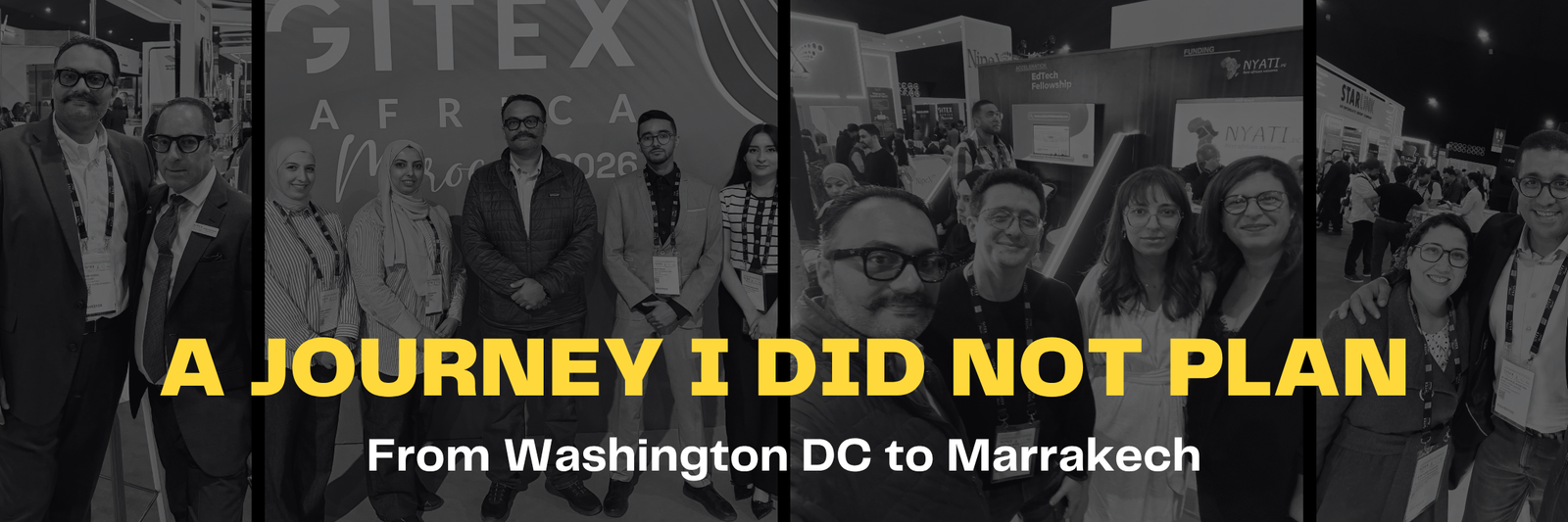
Over the last few years, I have traveled extensively, mostly solo across the globe for work, and quite a bit within the United States as well. Almost all of those trips had one thing in common: they were to places I had already visited before, either alone or with my wife, Abeer.
Comfort zones disguised as business travel.
But this time was different.
My company, Magnus Communications, is the official sales partner for the Africa edition of GITEX – one of the fastest-growing global tech conferences. This year, it was being held in Marrakech, Morocco.
A country I had never visited before.
A country that, frankly, wasn’t even on my list.
RAM flies to Marrakech with a three hour layover in Casablanca followed by a 50-minute domestic hop. Alternatively, there is a two and a half hour drive from Casablanca or a three and a half hour train ride.
A Moroccan friend of mine based in DC had already briefed me on the ground situation before I left:
● Taxi drivers will try to overcharge you
● Uber does not operate in Morocco
● InDrive exists, but is technically illegal
For a moment, it genuinely felt like I was heading back home.
So I made a decision to skip the connecting flight entirely and take the train instead. Here is roughly what your options look like:
First Class train, Casablanca to Marrakech: ~$55
Second Class: ~$35
Private car (standard): $150-170
Private car (with a good desi bargain, if you know, you know): ~$100
Naturally, I went for first class. Or at least, I tried.
I landed in Casablanca, cleared immigration. Crowded but moving and reached baggage claim before my luggage did, which felt like a small victory. From there, I headed straight to the train station.
“I’d like a first-class ticket to Marrakech.”
“No ticket. You second class?”
In my head, I thought: no, third class, please. Second class it was. I grabbed the ticket, found the platform with the help of Google Translate, and boarded the train.
One thing worth knowing before you travel to Morocco: Marrakech wants to be Dubai when it grows up but language is still a very real barrier. Maybe 2% of people speak English – Arabic and French dominate almost everything. Google Translate is not optional; it is essential.
The train, as it turned out, was not direct. A platform change, a second train, and one taxi ride later, I finally arrived at my Airbnb. Roughly four hours after stepping off the plane in Casablanca.
Basic. Clean. Relief.
It was around 4pm – my only free afternoon before the conference began. I showered, changed, and headed straight to the one place everyone had told me I had to see: Jemaa el-Fnaa. If you have never been, imagine a vast open square surrounded by small shops and restaurants, with the center packed wall to wall with food stalls, street performers, and an energy that is genuinely difficult to put into words. The smell of grilled meats, spices, and fresh bread hits you from a block away. Everything is halal, which made life easy.
The problem? I am not someone who eats well alone.
Despite everything looking and smelling incredible, I wandered the souq, absorbed every bit of
it, and walked back to my Airbnb.
Where I ordered McDonald’s.
No regrets
The next morning, it was time for the conference. Having attended GITEX Dubai for several years, I knew what to expect – scale, organization, ambition, and an event team that consistently delivers a world-class experience. So I was confident GITEX Africa would be good. What I did not expect was for it to genuinely surprise me.
As I approached the venue, I noticed something that stopped me for a moment: streams of people, all walking in the same direction. No signs needed. No confusion. Everyone knew exactly where they were going.
That is when you know an event has real gravity.
Entry was crowded – passes checked, security screening, a lot of walking. But that is GITEX.
You know what you are signing up for, and you show up anyway.
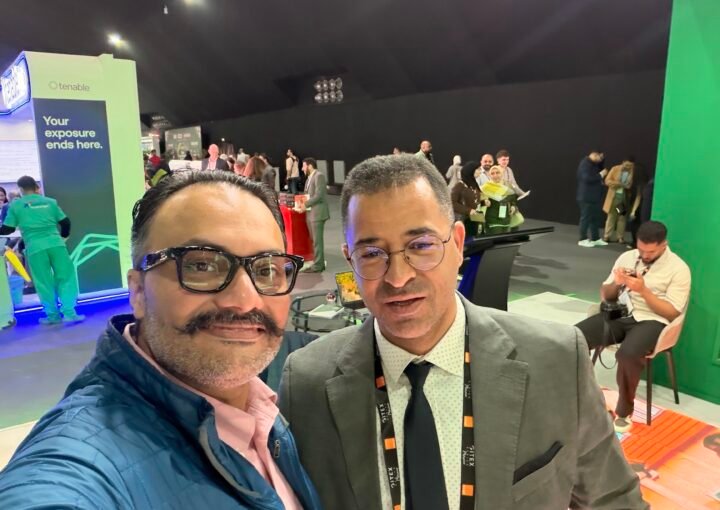
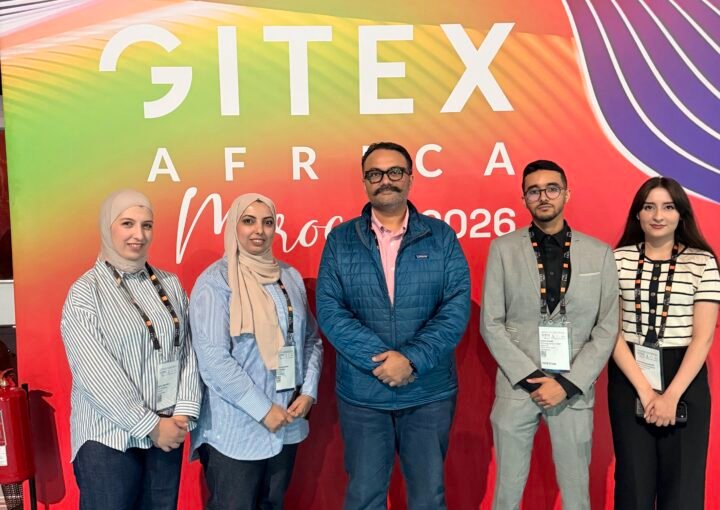
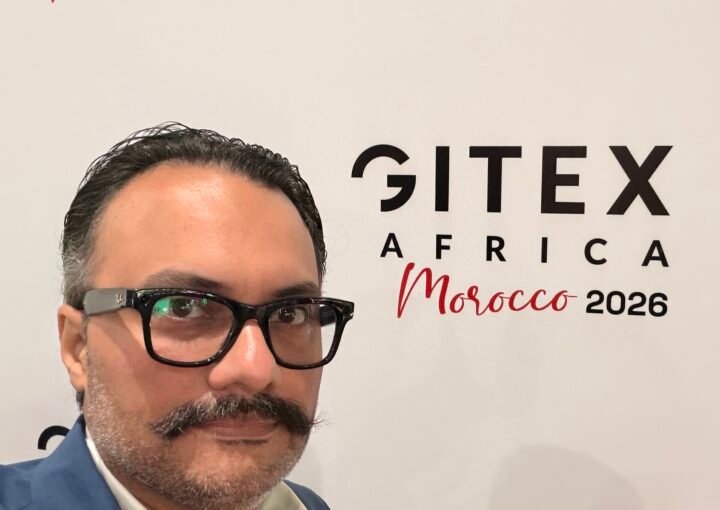
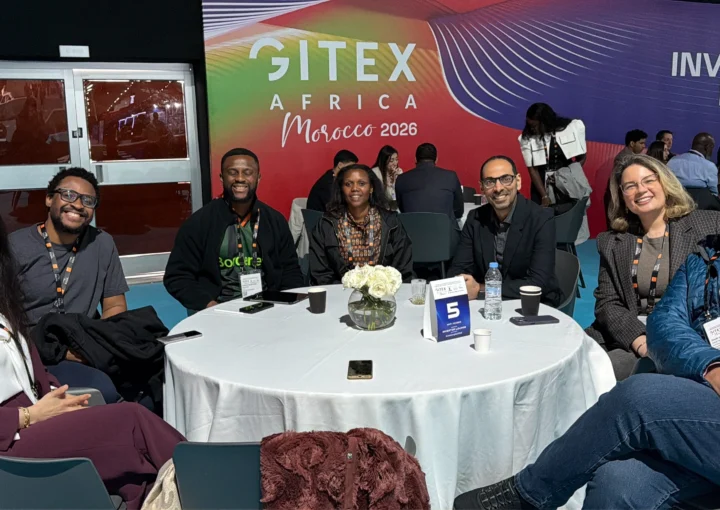
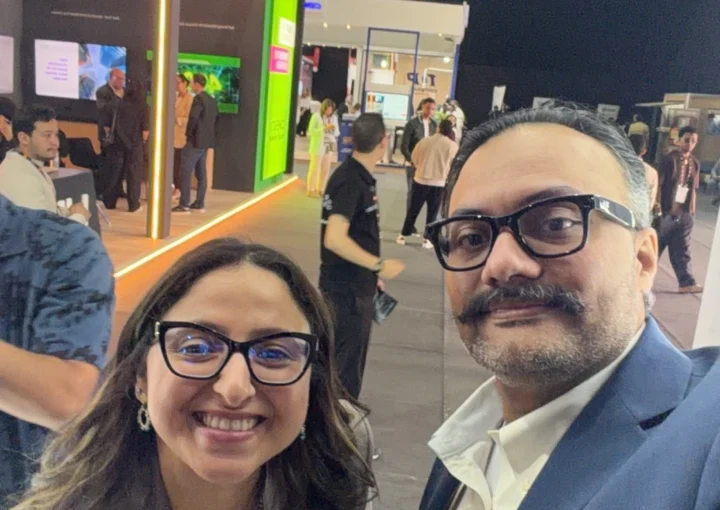
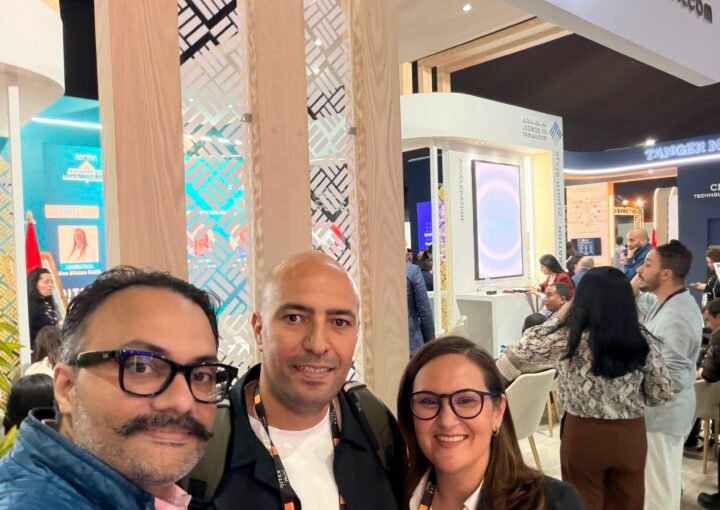
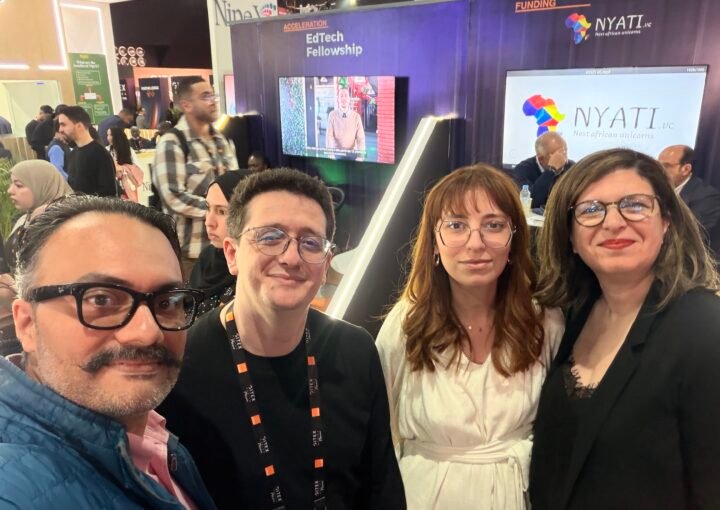
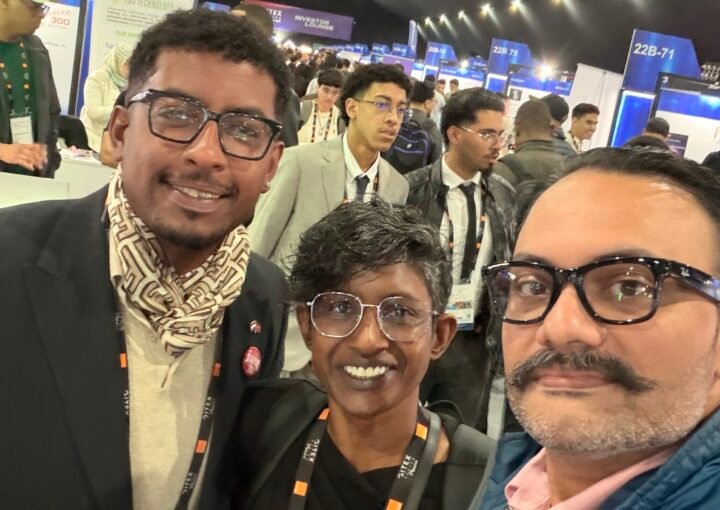
Over the next three days, I met startups, SMEs, and government institutions in numbers and quality that I had not anticipated. There were university-run incubators and accelerators, government departments dedicated to helping early-stage companies scale, and founders building things that genuinely stopped me mid-conversation.
Water filtration technology. Locally manufactured electric vehicles. High-protein supplements derived from locusts. An AI agent built specifically for the cosmetics industry. This was not emerging. This was evolving – fast.
Until this trip, Magnus’s exposure to African business had come through two fairly narrow channels: Egyptian companies operating within the GCC, and African startups that made their way to international showcases in the Gulf. Being at GITEX Africa meant being on the ground, surrounded by the very best of what the continent’s entrepreneurial ecosystem has to offer. It shifted something in how I think about the region.
One of the genuine highlights of the conference and something I did not see coming was the Women in AI team.
They were beyond helpful. Warm, engaged, and deeply plugged into the ecosystem at the event. What made it even more meaningful was that their openness toward me was not accidental. Abeer has been an active member of the Women in AI community, first in the UAE and now here in the United States, and that connection traveled with me to Marrakech even though she did not. In a conference full of new faces and unfamiliar ground, her network opened doors before I even knocked on them.
It was a quiet but powerful reminder of something I already knew: Abeer’s reach extends well beyond any room she is physically in.
Throughout those three days, I caught myself saying the same thing over and over to anyone who would listen:
“When I see Morocco, I think of Pakistan.”
The similarities were striking in ways I had not expected. The hunger to sell. The relentless hustle. The constraints that somehow fuel creativity rather than kill it. The women leading from the front – visibly, confidently, unapologetically. The bargaining culture in the souqs that feels less like commerce and more like sport. And yes, the taxi drivers who will absolutely take you for a ride if you give them half a chance.
It felt like home. Just in a different language.
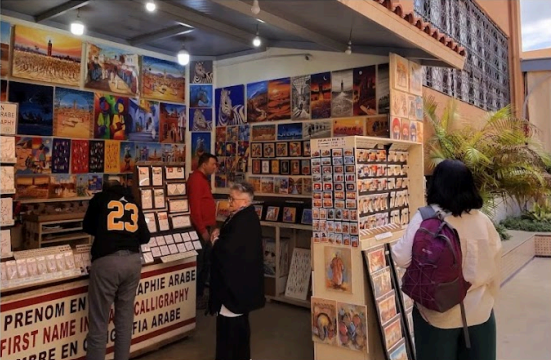
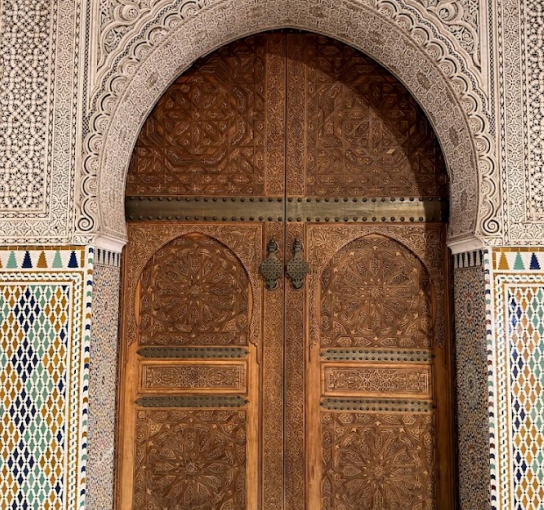
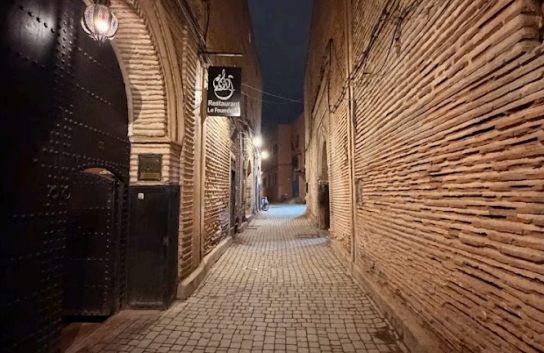
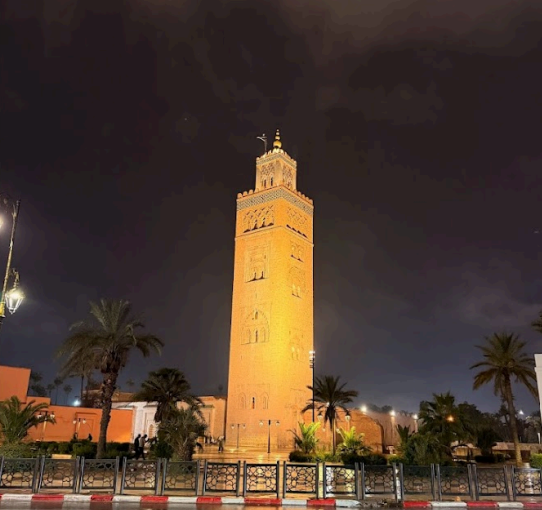
The trip was not just insightful – it was productive.
I am happy to share that we are currently in active discussions with a university, a government institution, and several SMEs, all exploring how Magnus Communications can support their growth and cross-border expansion. That pipeline alone made every train connection and Google Translate moment worth it.
For those wondering how adventurous I got with the local cuisine, here is the honest breakdown:
McDonald’s: twice
Moroccan food: once
The surprise standout: the world’s best KFC. Unbelievable
This trip was not planned as an adventure. But it became one.
It reminded me that growth does not happen in familiar places. It happens when you step into the unknown and figure it out anyway. Morocco was not on my list. But it should have been and if Africa isn’t on yours yet, start drawing the route.
Sometimes, opportunity doesn’t arrive polished and predictable.
Sometimes, you have to take a second-class train to find it.
Adding {{itemName}} to cart
Added {{itemName}} to cart